
Computing Catalyst’s TechStart program gave University of Maryland students a week to explore coding, design and technology through community-focused projects.
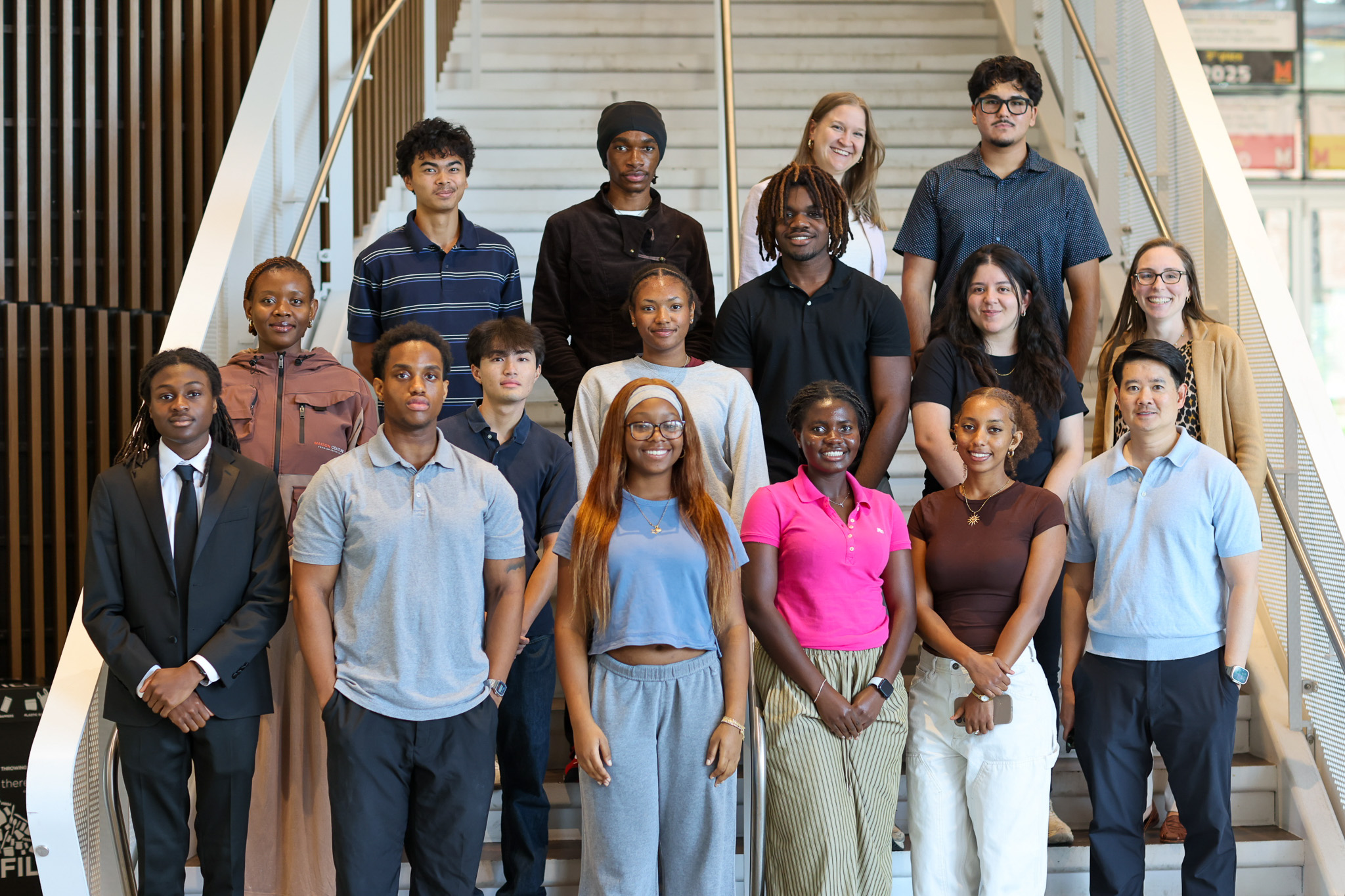
A tool to help students make connections on campus. A redesigned University of Maryland map. A way to find cooler spaces during hot summer days.
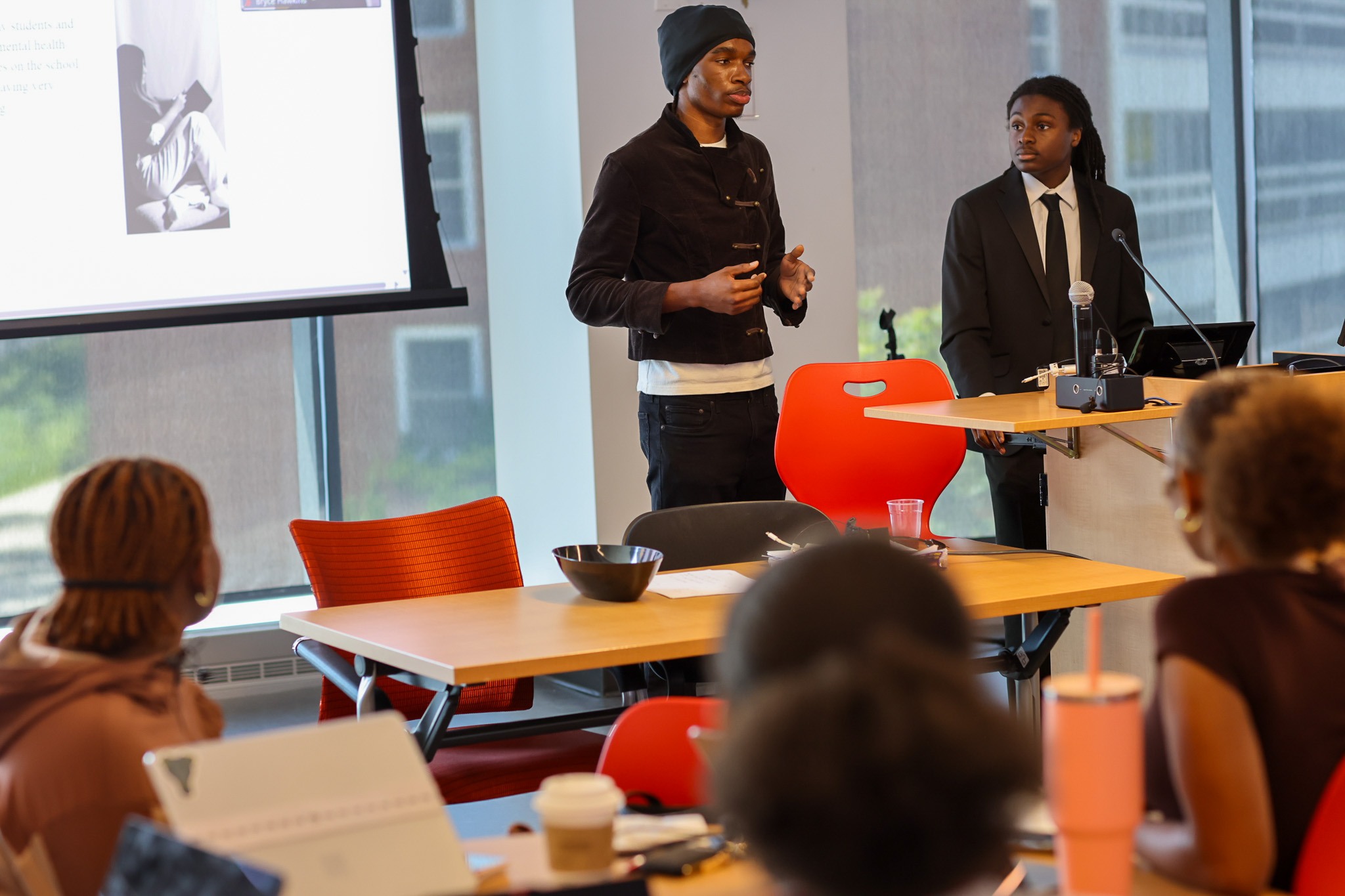
Those were among the projects UMD students presented as the Computing Catalyst’s 2026 TechStart program concluded. Across separate virtual and in-person sessions, participants spent a week identifying problems, considering potential users and creating technology-based solutions.
TechStart is a paid program for students interested in exploring computing, including those with little or no previous coding experience. This year’s in-person and virtual sessions included students studying computer science, information science, government and politics, and other fields, as well as students still considering a computing major.
Participants took part in programming, design thinking activities and career discussions. They also met with technology professionals who shared perspectives on careers and working in the industry.
“While TechStart teaches students Python and app development, building community is just as central to the program,” said Kristina Kramarczuk, associate director of the Computing Catalyst. “Incoming students connect with peers and industry mentors, creating a supportive network before their first semester even begins.”
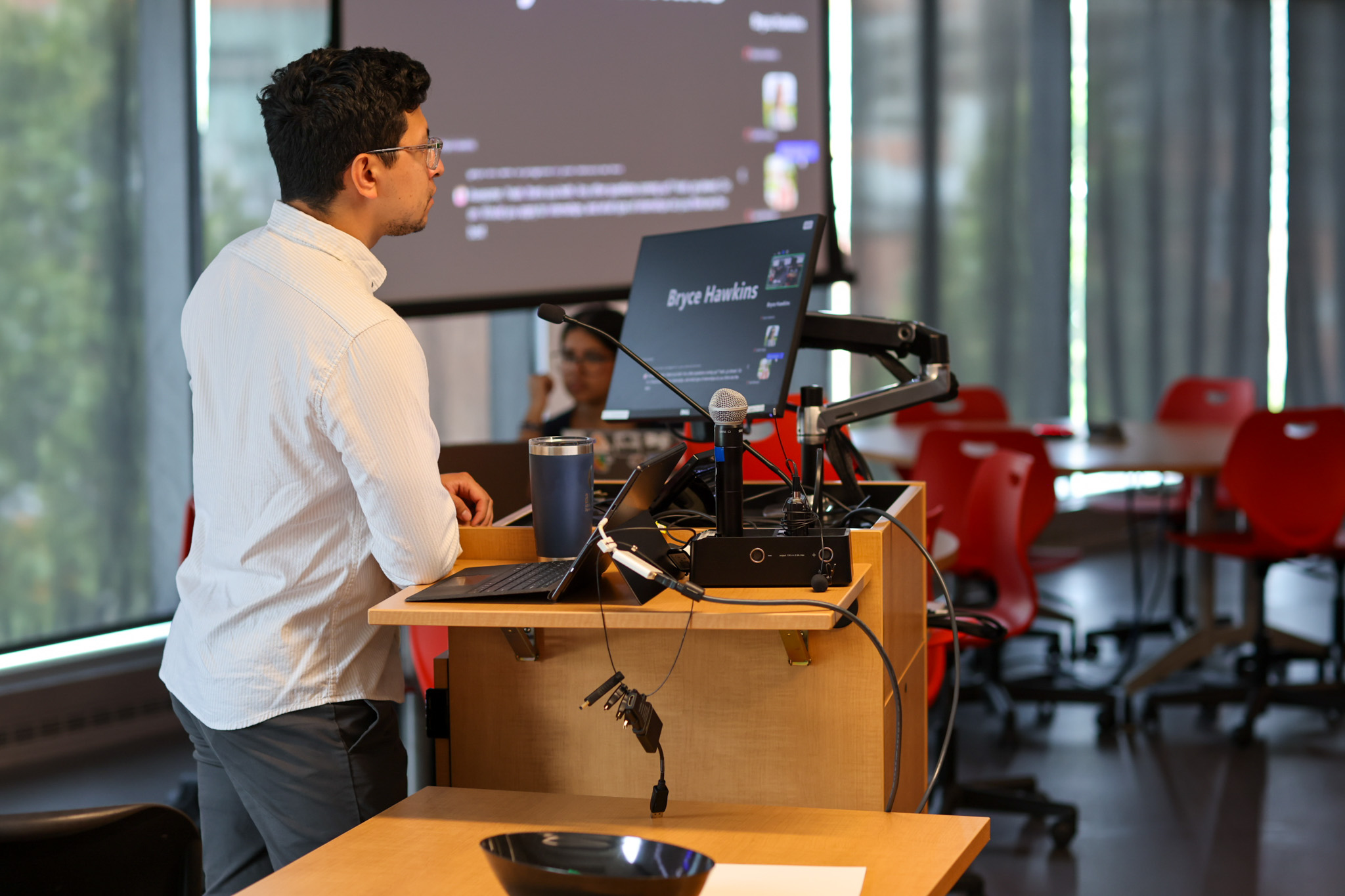
Computer Science lecturer Elias Gonzalez led sessions on Python data structures, artificial intelligence and prototyping platforms, introducing students to tools and concepts they could use throughout the program.
“TechStart is one of my favorite things to teach,” said Gonzalez, the program’s lead lecturer. “This year, the students did a great job with their industry mentors to solve tech-for-good problems. I’m excited to see how they continue to grow at UMD and with Computing Catalyst.”
The students’ work took different forms as teams moved from early ideas to project prototypes.
Sophomore technology and information design major Kamryn Coleman worked on an application concept focused on media literacy in the workforce. Her team examined scams involving manipulated voices or likenesses and considered how a digital tool could help users recognize potentially deceptive content.
“Working on this project taught me that collaboration is key to forming good ideas,” Coleman said.
As the project developed, Coleman also took on additional responsibility for moving it through its remaining stages and refining the design with mentor support.
“Being able to adapt to any situation was also key to succeeding,” Coleman said.
Other teams faced different design decisions.
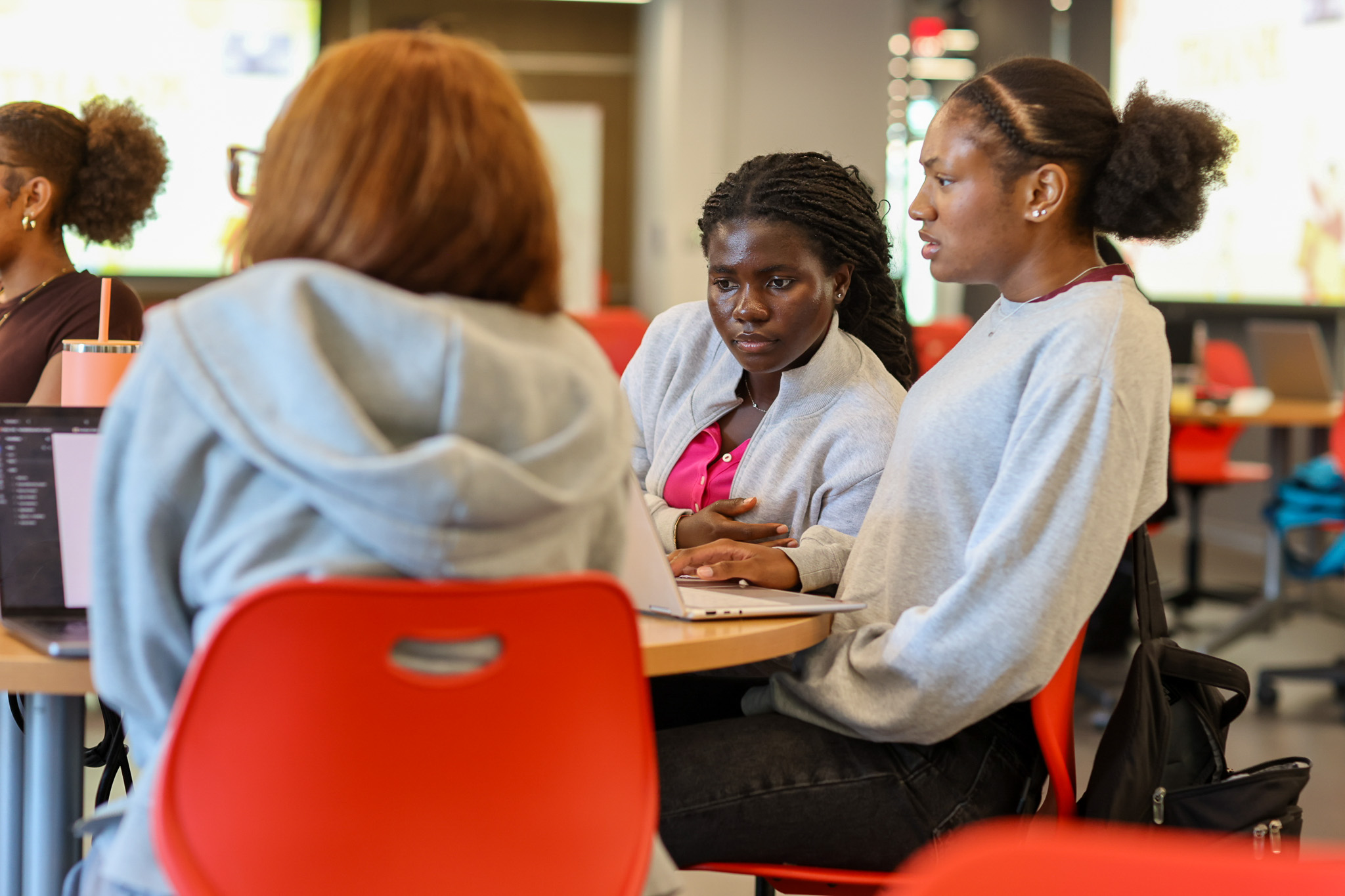
Freshman information science major Rosy Angwi joined TechStart with no prior coding experience. Her team developed an application concept that would synchronize calendars across educational platforms, bringing deadlines, notifications and academic resources into one place.
“I saw TechStart as an opportunity to bridge the knowledge gap,” Angwi said. “Additionally, I wanted to meet my professors and connect with potential classmates.”
By the end of the program, Angwi said the experience had changed some of her assumptions about working with technology.
“The program has transformed my approach to tech,” Angwi said. “It has taught me that it demands far more than mere code copying.”
Program staff members saw similar changes as students moved through the week.
Anusha Saha, a TechStart program assistant and junior computer engineering major, worked with participants during classroom activities, mentor sessions and project development.
“I have noticed that the students became more confident both in their knowledge and in their interactions with their peers,” Saha said. “They were more comfortable answering questions in class and participating in discussions, and they grew more confident in reaching out to and working with their mentors. That’s what TechStart is all about.”